Increase Prominence: Comprehensive SEO Services for Every Niche
In the present online ecosystem, amplifying reach through extensive SEO services is essential for businesses across all specializations. This approach not only enhances online presence but also brings in a qualifying audience. By focusing on bespoke strategies such as keyword research and location-based optimization, businesses can channel organic user flow and refine their search rankings. However, the journey doesn't end there. Understanding the core elements view resource of SEO can illuminate deeper insights into sustainable growth and authority in the market.
Why SEO Matters for Your Specialty
In the challenging environment of online promotion, the importance of SEO for any niche cannot be overstated. SEO functions as an essential tool that improves online visibility, making it crucial for companies seeking to reach specific customers. By refining content and structure, companies can boost their position in search results, generating organic traffic to their websites. This becomes particularly vital in specialized sectors where rivalry may be intense but specific.
Effective SEO strategies empower firms to identify relevant keywords, interpret audience intent, and modify content accordingly. As niche markets often have exceptional demands, utilizing SEO not only helps in reaching potential customers but also in consolidating authority within that specific field. Consequently, the incorporation of SEO into a company's digital strategy is not just beneficial; it is crucial for long-term success, ensuring that the brand remains competitive and relevant in its niche.
Fundamental Features of SEO for Company Triumph
While many aspects support profitable SEO, several important components prove to be fundamental for business success. First, keyword investigation forms the base for effective advancement, helping firms to identify relevant terms that potential customers are pursuing. Second, on-page enhancements, including page tags, headers, and content quality, ensures that web content are arranged to be easily understood by search engine software.
Third, technical SEO serves as an essential role in enhancing site performance, concentrating on factors like loading time, mobile optimization, and encrypted protocols. Additionally, quality backlinks from authoritative websites boost domain strength, signaling trustworthiness to search engines. Finally, local SEO strategies are vital for businesses seeking to attract nearby customers, refining listings on platforms like Google My Business. Together, these elements create a robust structure that enhances visibility, drives traffic, and ultimately supports business success in challenging online landscapes.
Grasping the customer base is important for creating an effective SEO strategy. Adapting information to cater to the unique requirements and tastes of the primary audience can significantly boost engagement and conversion rates. Through conducting in-depth audience research, enterprises can uncover vital attributes including inclinations, behaviors, and friction points.
This insight allows for the creation of relevant search terms that resonate with prospective users, guaranteeing that the material is both findable and attractive. Additionally, understanding the target market helps in optimizing website design, user experience, and social engagement, all of which are critical components of an successful SEO strategy.
Incorporating consumer insights and analytical data into ongoing SEO efforts encourages continuous refinement. By aligning SEO actions with the target audience’s expectations, businesses can cultivate stronger connections, increase organic traffic, and ultimately drive growth. In a intense digital landscape, this alignment is not just beneficial; it is imperative for long-term success.
Establishing Successful Local SEO Plans
Effective local SEO approaches are necessary for businesses hoping to capture nearby customers. This comprises optimizing Google My Business entries, implementing local phrases, and constructing local references to enhance visibility in local search results. By concentrating on these points, companies can substantially advance their local internet visibility.
Enhance Google My Business
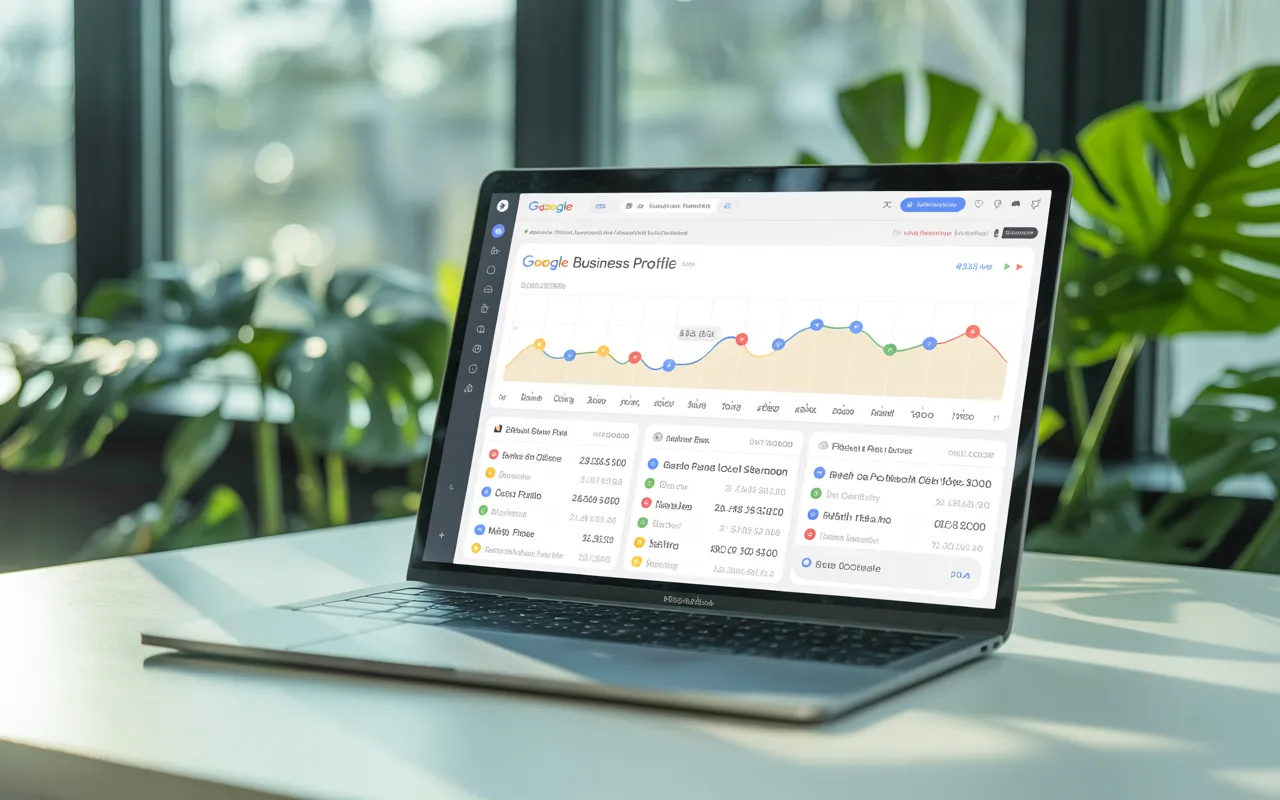
A expertly optimized Google My Business (GMB) listing has the power to markedly increase a local business’s exposure within search results. To reach this goal, businesses must ensure their details are accurate, including the name, address, phone number, and operational hours. Appealing visuals such as professional images of products or services can entice potential customers. Motivating satisfied clients to leave positive reviews further bolsters credibility and raises search rankings. Regularly posting updates about promotions or events keeps the listing content relevant. Furthermore, applying GMB features like Q&A and messaging can enhance customer interaction. Through these strategies, businesses can successfully optimize their GMB listings, resulting in more foot traffic and a more robust local presence.
Leverage Local Keywords
While many businesses prioritize general keywords, leveraging local keywords can greatly boost visibility in specific markets. Local keywords are vital for targeting audiences in particular geographic areas, allowing firms to attract customers who are searching for services nearby. By incorporating city names, neighborhoods, or regional terms into their SEO strategies, companies can increase their rankings in local search results. Additionally, using tools like Google Keyword Planner can help find high-traffic local keywords relevant to a business's niche. It is also helpful to analyze competitors to understand which local terms are driving their traffic. Ultimately, a targeted approach on local keywords not only enhances visibility but also strengthens stronger connections with the community, causing higher conversion rates.
Develop Nearby Backlinks
Constructing regional backlinks is a vital element of a strong local SEO strategy. These backlinks, sourced from credible local platforms, improve a business's credibility and standing in its community. Effective methods for building local backlinks involve engaging local organizations, sponsoring community events, and working with nearby businesses. Moreover, submitting to local directories and taking part in local online forums can offer valuable links. Producing high-quality, locally relevant content also gains backlinks naturally, as other sites value its worth. By emphasizing local backlinks, businesses can boost their search engine rankings and reach their target audience. This strategic method builds relationships within the community while increasing online visibility and attracting local traffic.
Technical SEO: Key Elements for Reaching Success
Technical SEO acts as the foundation of a successful online footprint, ensuring that websites are optimized for search engine bots. Key factors consist of website performance, mobile-friendliness, and encrypted protocols. A fast-loading site enhances user satisfaction and reduces bounce rates, vital for positioning in search engines. Mobile optimization is important, as a increasing number of users browse websites via smartphones. Deploying responsive design guarantees that content displays correctly across devices.
In addition, proper URL design and the use of XML sitemaps assist easier crawling and indexing. Schema markup strengthens the visibility of content in search results by providing context to search engines. Regularly auditing website performance, fixing broken links, and improving images also contribute to a site's overall health. By managing these technical elements, businesses can create a strong foundation that supports their broader SEO strategy, ultimately producing to improved visibility and user engagement.
Measuring SEO Performance: Analytics and Metrics
Assessing SEO effectiveness relies on the ability to analyze pertinent data and metrics effectively. Critical metrics (KPIs) including natural visitor flow, search position placements, and conversion rates shed light on a website's results. Evaluating natural visitor flow helps ascertain how many visitors interact with the site, while search position placements demonstrate the success of focused approaches.
Leveraging tools like Google Analytics makes it possible to track user behavior, bounce rates, and session durations, providing a thorough understanding of website performance. Additionally, tracking backlinks and domain authority can indicate the effectiveness of off-page SEO efforts.
Ultimately, evaluating SEO achievement requires a blend of statistical information and qualitative insights. By frequently reviewing these metrics, organizations can adjust their strategies, boosting reach and attaining their marketing goals. Regular evaluation ensures that SEO campaigns correspond with shifting market trends, encouraging sustained growth and enhanced online presence.
Questions People Inquire Frequently
How Much Time Does It Take to Observe SEO Outcomes?
On average, it involves three to six months to see tangible SEO benefits. Aspects such as competitive environment, baseline website quality, and chosen techniques shape this timeline, making specific successes vary considerably across different businesses and niches.
What Are Widespread SEO Oversights to Circumvent?
Standard SEO missteps feature neglecting keyword research, ignoring mobile optimization, using duplicate content, skipping updates to aged information, not optimizing for local searches, and sidestepping analytics review, which can diminish overall search visibility and user experience.
Can I execute SEO on My Own?
Yes, people can perform SEO on their own. However, it demands ongoing education and adjustment to ever-changing algorithms. Success often copyrights on commitment, investigation, and understanding of best practices to achieve effective results.
How Often Should I Update My SEO Strategy?
An search engine optimization plan should be updated consistently, preferably every few months. Ongoing review of performance data and shifts in algorithms guarantees relevancy and effectiveness, enabling businesses to adapt and keep a competitive edge in their respective markets.
Which solutions work best for SEO analysis?
Widely-used solutions for SEO analysis include Google Analytics, SEMrush, Ahrefs, Moz, and Screaming Frog. Each delivers specialized functions for keyword research, backlink analysis, and website audits, helping users to efficiently improve their online presence.